Home › HOA and Multifamily Screen Services
Simplify exterior upkeep with dedicated HOA and multifamily screen services in Miramar, FL. We handle large scale screen repair, rescreening, and new installations for condos, apartments, and townhome communities. Keep units looking consistent while controlling costs and response times.
Miramar Screening provides professional hoa screen services throughout Miramar, FL, Florida and the surrounding area. Our licensed, insured crew delivers safe, clean, on-time work with a free estimate before anything begins. Call (754) 812-9028 or request your free quote.
HOA & Multifamily Screen Services in Miramar, FL
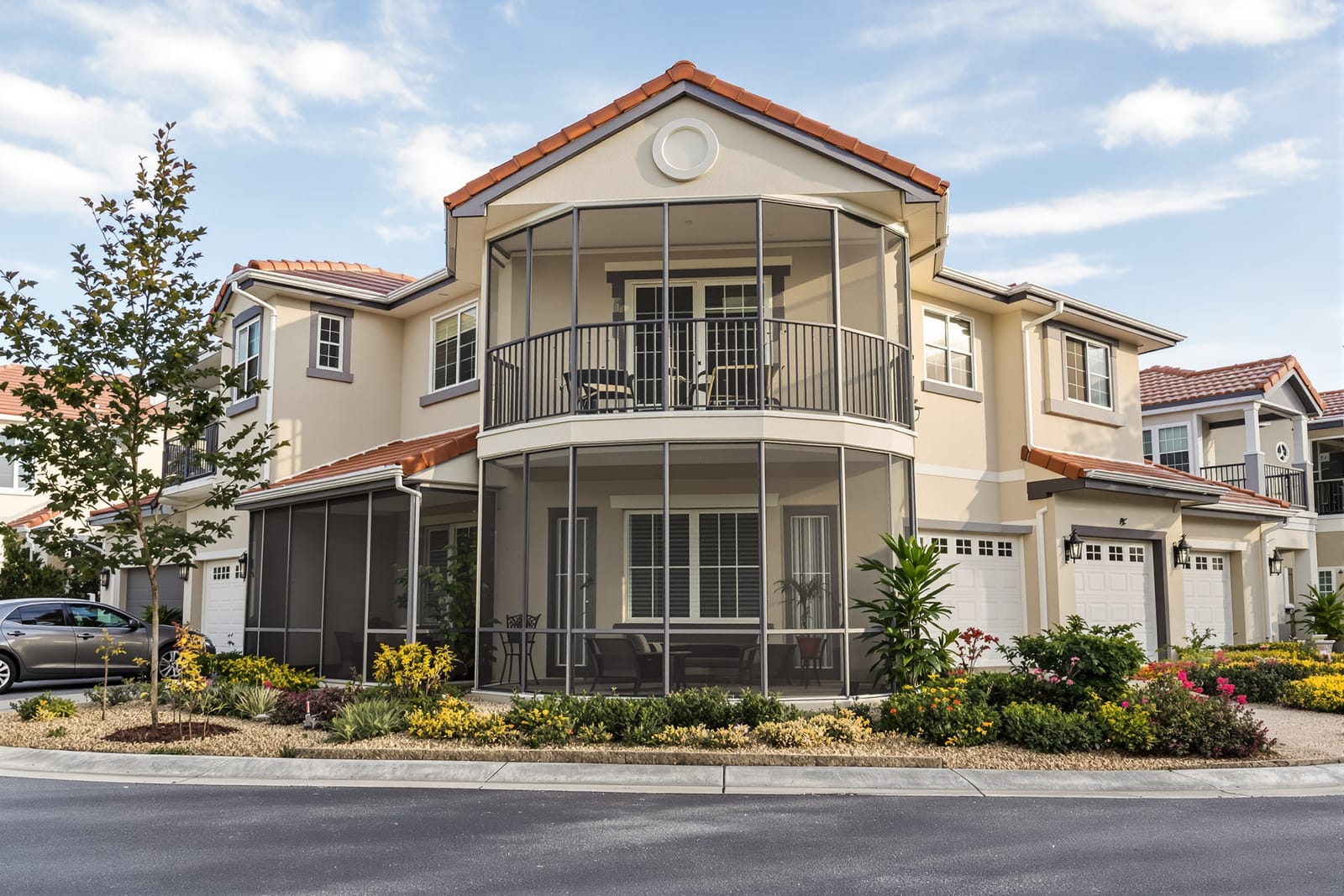
Miramar Screening helps HOAs and multifamily communities in Miramar keep patios, balconies, and pool areas safe, consistent, and attractive with reliable HOA screen services. We work directly with property managers, board members, and maintenance supervisors to create screening standards that fit your documents and your budget.
Our team understands the reality of managing multiple buildings and dozens of residents. We schedule work to minimize disruption, coordinate access with management, and keep detailed records of what was done at each unit. Whether you manage a garden-style condominium community, a townhome neighborhood, or a large apartment complex, we tailor our services to your common areas and individual units.
Because we work in Miramar every day, we know how the sun, salt air, and summer storms affect screen enclosures and balcony screens. We use that local experience to recommend materials and installation methods that hold up to Broward County conditions, not just what looks good on day one.
Common Screen Issues in HOAs & Multifamily Properties
For multifamily properties in Miramar, one broken panel is rarely the only problem. We often find multiple issues in the same building, such as torn screens on upper floors, rusting fasteners, and loose kickplates. During an HOA screen services visit, we inspect for these related issues so your management team can plan repairs in a logical order.
Sun exposure on south and west facing elevations tends to weaken standard fiberglass screen faster, which leads to fading, brittleness, and tearing around the spline. In coastal-influenced areas of Miramar, we also see corrosion on the screws and hardware that hold frame members together. If those are ignored, panels can start to rattle in high winds and eventually pull away.
Common safety concerns in multifamily buildings include missing balcony screens at lower rails where children or pets can push through, tripping hazards from loose spline on walkways, and insect intrusion near shared laundry or mail areas. Miramar Screening identifies these trouble spots during walkthroughs and can prioritize the most urgent repairs to align with your budget and safety goals.
How Our HOA Screen Services Process Works
When an HOA or property manager contacts Miramar Screening, we usually begin with a site visit and a short walk with you or your maintenance lead. We review your governing documents or existing screen guidelines if you have them, then look at a sample of buildings so we understand typical conditions.
Next, we propose a scope of work that fits how you manage the property. Some communities prefer a building-by-building rehabilitation plan, others prefer annual or semiannual inspection and repair cycles. We can group units by building, by phase, or by type of enclosure such as lanais, balconies, or pool screens.
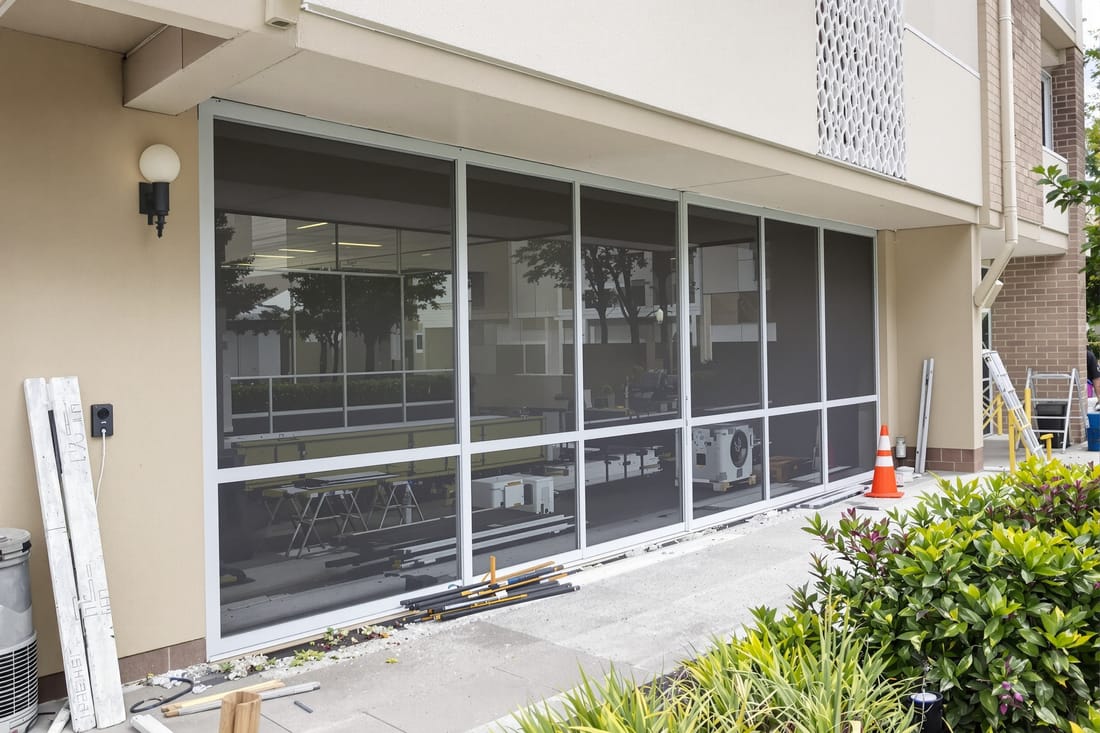
For larger projects, we create a unit list and tag work by location and floor, then provide you with a spreadsheet or report. When you approve the work, we coordinate notices to residents, schedule access windows, and stage materials so that a building can be completed in a focused block of time. During installation, our technicians photograph before and after conditions when requested, which helps with HOA records and any resident questions.
At completion, we walk the property with management, confirm that all items on the approved list are finished, and discuss any additional issues discovered that may need attention in the future.
Material & Design Options That Meet HOA Standards
HOAs often want uniform appearance across buildings, which is why Miramar Screening offers clear, organized material options tailored to multifamily communities. We most commonly install standard fiberglass insect screen for shaded areas, and upgrade to heavy-duty polyester or pet-resistant mesh where residents have dogs or where landscaping crews frequently work near the enclosures.
For rail and balcony screens, we discuss opacity and color with the board so you can maintain a consistent look. Charcoal and gray screens are the most popular in Miramar because they reduce glare and blend well with typical building colors. Where visibility is important, such as pool decks or lakefront units, we can offer charcoal “better-view” style screens that improve outward visibility while still controlling insects.
Hardware and frame finishes matter too. In Miramar’s climate, salt in the air and frequent rain can rust low-grade fasteners. We typically recommend stainless or other corrosion-resistant screws and fasteners for multifamily properties, especially on upper floors where replacement access is more complex. For existing frames that are structurally sound but faded, we focus on re-screening and replacing worn spline, corners, and door hardware rather than pushing full frame replacement, which helps control association costs while maintaining a uniform appearance.
What Drives Cost in HOA & Multifamily Screen Projects
With HOA screen services, the main cost factors are quantity, access, material selection, and existing frame condition. The more units grouped together, the more efficiently we can work, which generally lowers the per-unit cost. This is why many HOAs authorize work building by building or in planned phases.
Access has a big impact for multifamily buildings. Ground-level lanais are faster to service than fourth-floor balconies that require special ladders or lift equipment. If upper-floor balconies are enclosed on the outside of the railing or part of an exterior building system, extra safety measures and time are built into the estimate. Coordinated scheduling with residents also affects cost, so we typically encourage HOAs to set set time blocks and clear entry expectations in advance.
Material choice influences both initial price and long-term value. Standard fiberglass mesh is less expensive upfront but may need replacement sooner in high-sun or high-traffic areas. Upgraded mesh or corrosion-resistant hardware has a slightly higher material cost but can stretch the maintenance cycle. During our proposal, Miramar Screening outlines these tradeoffs so boards can make informed decisions based on their reserve planning.
Existing frame condition matters because damaged or twisted framing must be corrected before re-screening. If frames are still plumb and secure, we keep costs down by focusing on screen replacement only. When we find structural problems, we group these in the report so boards can decide which items qualify as standard maintenance and which may require a separate capital project.
Scheduling Around Miramar Weather, Seasons, and Residents
In Miramar, the best timing for major HOA screen services is usually outside the peak of hurricane season and heavy afternoon thunderstorms. While we work year-round, larger multifamily projects run most smoothly in late fall, winter, and early spring when rain is less intense and wind is more predictable. This helps reduce weather delays and keeps building schedules on track.
For communities with seasonal residents, we can plan phases so buildings with more full-time occupants are serviced first, then return later in the year as snowbird residents arrive or depart. We also consider school hours and quiet times for senior communities to avoid unnecessary disruption.
Communication with residents is crucial. Miramar Screening provides property managers with clear notices that explain which areas need to be cleared, how long a balcony or patio will be out of use, and what residents can expect on the day of service. For longer projects, we can attend board or community meetings to answer questions about materials, appearance, and timeframes so everyone understands the plan before work begins.
Why HOAs and Property Managers Choose Miramar Screening
HOA and multifamily work is different from single-family homes. You need a screening partner that respects your rules, your residents, and your timelines. Miramar Screening focuses on organized communication, consistent workmanship, and documentation that helps property managers stay in control of the process.
We are familiar with common HOA requirements in Miramar, such as matching existing screen colors, complying with balcony safety considerations, and following property-specific work hours and parking rules. Before we start, we review your association rules, insurance requirements, and any vendor registration process, so there are no surprises halfway through a project.
Our technicians are trained to work neatly in shared walkways and stairwells, clean up debris, and interact respectfully with residents who may have questions while work is in progress. After completion, we remain available to address any punch list items or to help boards prepare a long-term screening maintenance plan. Whether you manage 10 units or 300, Miramar Screening is ready to provide dependable, locally informed HOA screen services that keep your community looking unified and well cared for.